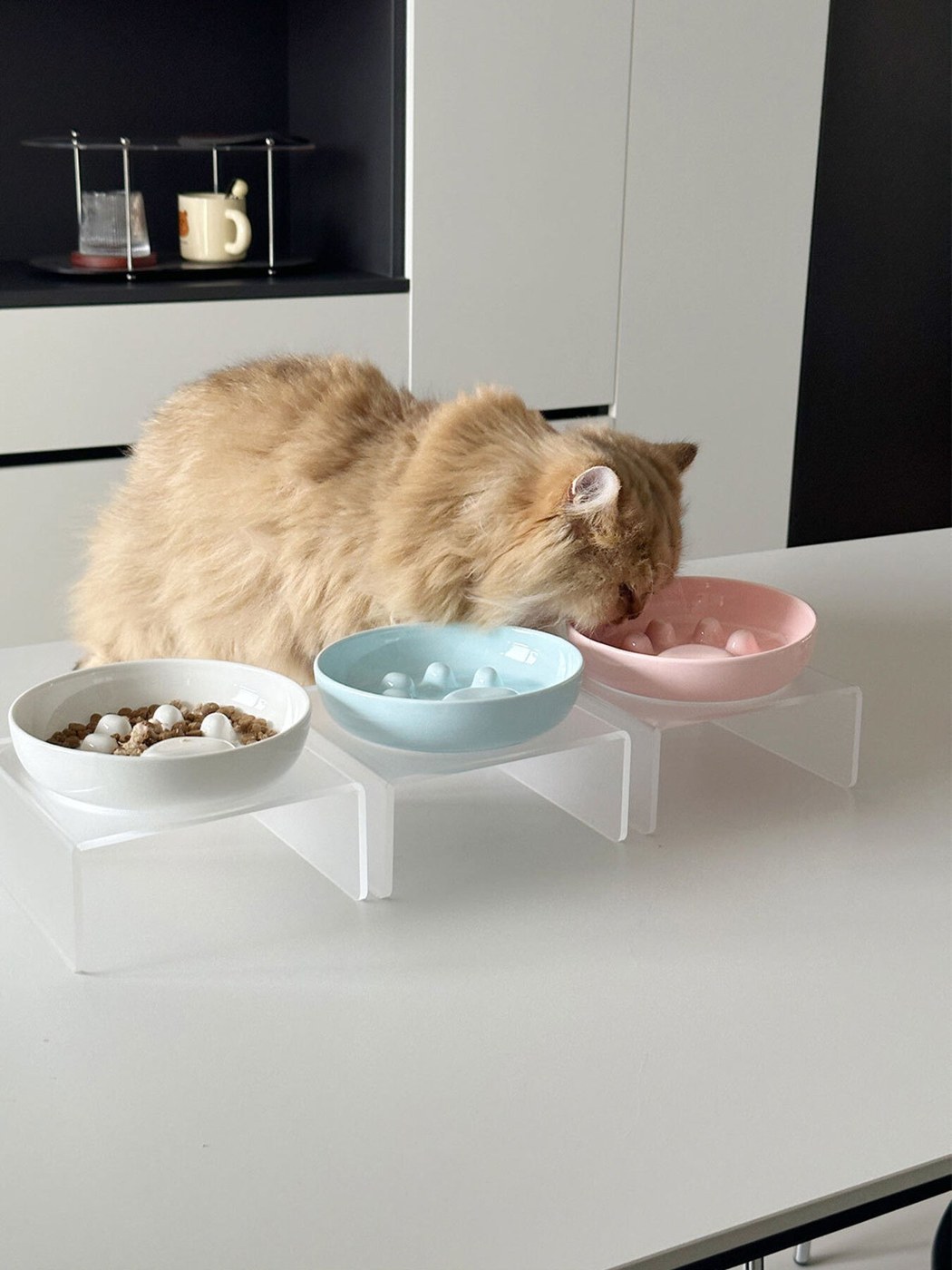
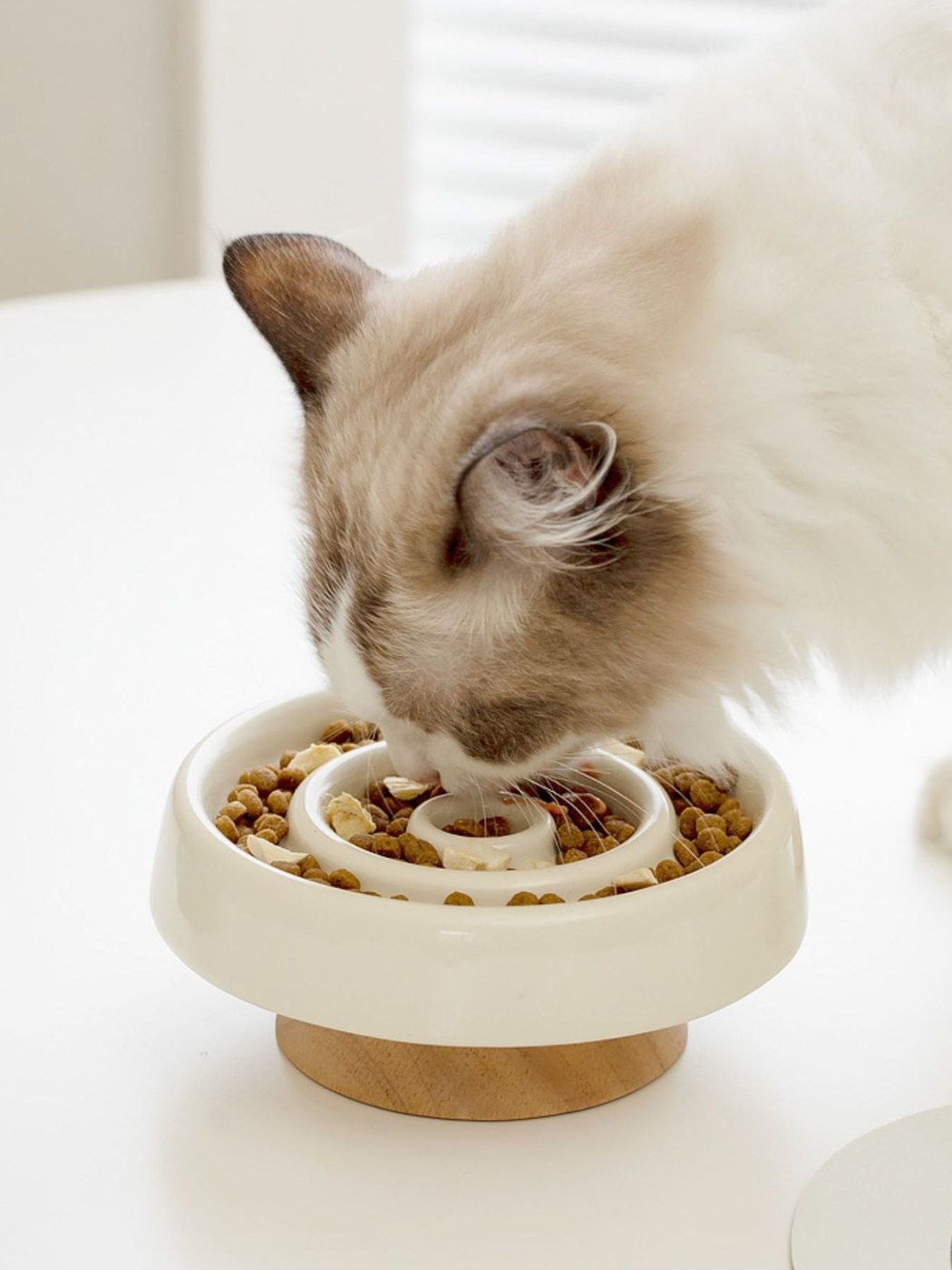
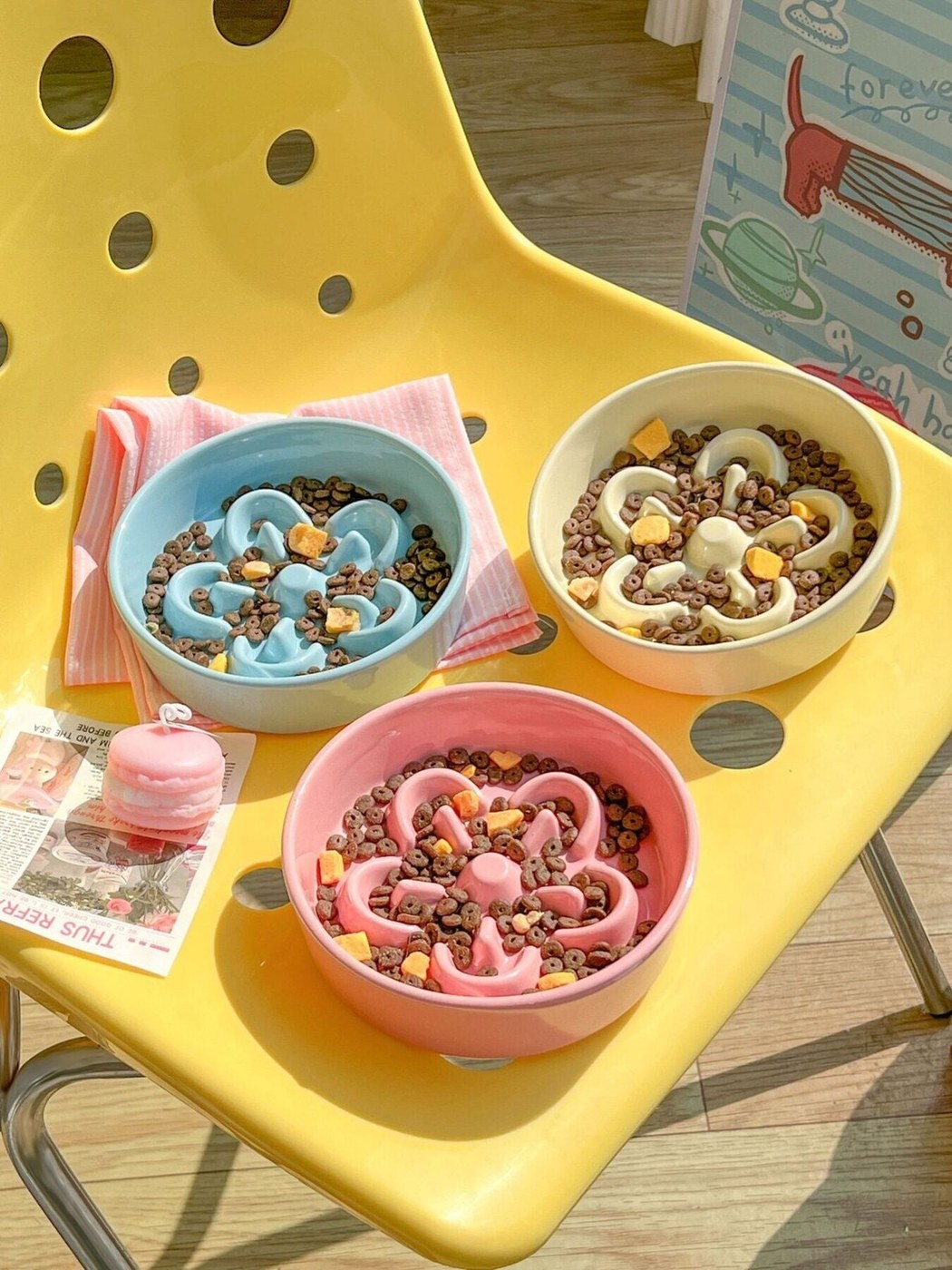
It is easy to focus on how a bowl looks in the box. The better question is how it will fit into the everyday rhythm of your home. A useful slow feeder should feel easy to reach for at breakfast, simple to rinse after dinner, and stable enough to stay in its spot while your pet eats.
Before choosing, take a quick look at the feeding space and ask what would make the routine smoother. Maybe you need a raised setup because that is how your pet already eats. Maybe you want a ceramic bowl that can stay out in an open kitchen. Maybe you want a smaller shape for a single pet's quiet corner. When the bowl fits the setup, it is more likely to become the one you use every day.
It also helps to keep expectations practical. A slow feeder bowl is one part of a feeding routine, not a replacement for paying attention to your pet's appetite, comfort, or usual behavior. If you have questions about a sudden change in eating habits, a veterinarian is the right person to ask. For the day-to-day choice of bowl, use the product details and your pet's normal routine as your guide.